



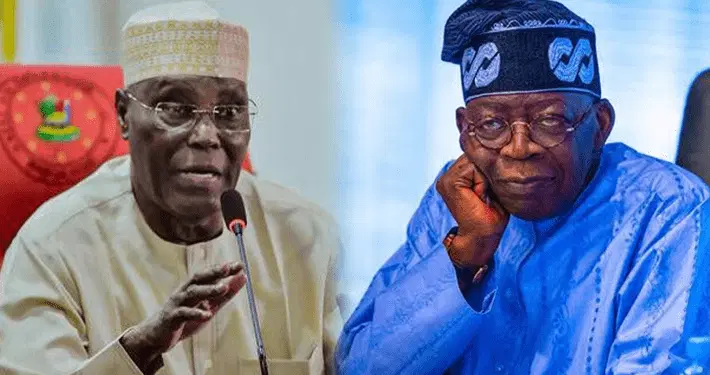
Former Vice President Atiku Abubakar has criticised President Bola Tinubu’s administration, declaring that what he described as a “tenure of propaganda” was gradually coming to an end amid worsening economic and governance concerns raised by opposition figures ahead of the 2027 general elections.
Atiku made the remarks while reacting to recent political developments and government statements defending the administration’s policies. The former presidential candidate of the Peoples Democratic Party (PDP) accused the Federal Government of relying heavily on public messaging rather than addressing the realities confronting Nigerians. He argued that the alleged tenure of propaganda could no longer conceal economic hardship, inflation and rising public dissatisfaction.
According to Atiku, Nigerians are increasingly demanding measurable improvements in governance, economic stability and living conditions rather than political communication campaigns. He maintained that the administration’s handling of key national issues had intensified pressure on households and businesses across the country.
The statement forms part of escalating exchanges between opposition leaders and the ruling All Progressives Congress (APC) as political alignments and consultations ahead of 2027 continue to gather momentum. Atiku said the current administration’s response to criticism often focused on defending government narratives instead of directly addressing citizens’ concerns. He insisted that the alleged tenure of propaganda was becoming less effective as economic challenges persisted nationwide.
The former vice president also referenced issues relating to inflation, exchange rate instability and rising cost of living, arguing that many Nigerians were facing increasing financial pressure despite government assurances that reforms would eventually stabilise the economy. Opposition parties have repeatedly criticised the administration’s economic policies, particularly fuel subsidy removal and foreign exchange reforms.
Government officials, however, have consistently defended the reforms as necessary measures aimed at restructuring the economy and correcting long-standing fiscal distortions. The Tinubu administration maintains that the policies are part of broader efforts to stabilise public finances, attract investment and improve long-term economic growth.
Political analysts note that the renewed criticism from Atiku reflects intensifying political positioning ahead of the next election cycle. The reference to a tenure of propaganda signals growing rhetorical confrontation between opposition figures and the ruling party as national debate over governance and economic reforms continues.
Observers also point to increasing consultations among opposition leaders and political stakeholders across party lines, with discussions focusing on possible alliances and electoral strategies ahead of 2027. Atiku remains one of the leading opposition figures expected to play a major role in future political negotiations and coalition-building efforts.
The exchange highlights the increasingly competitive political atmosphere as parties continue to define their narratives on governance, economic management and national direction ahead of the next general elections.