





Anxiety is growing among political actors, civil society groups and electoral stakeholders as the National Assembly’s delay in finalising the amended Electoral Act raises concerns about the timetable and legal framework for Nigeria’s 2027 general elections.
Nigeria’s Electoral Act governs the legal framework for the conduct of elections at all levels. The Act was last significantly amended in 2022 and remains the basis for planning and executing polls.
Ahead of the 2027 general elections, the National Assembly has been working on a new Electoral Act (Repeal and Enactment) Bill that proposes sweeping reforms, including changes to election schedules, dispute resolution timelines and the transmission of results.
Under existing law, the Independent National Electoral Commission (INEC) must issue a notice of election not later than 360 days before a general election date. With the 2027 presidential election scheduled for February 20, 2027, the deadline for notices is approaching fast, limiting the window for implementing any amended law.
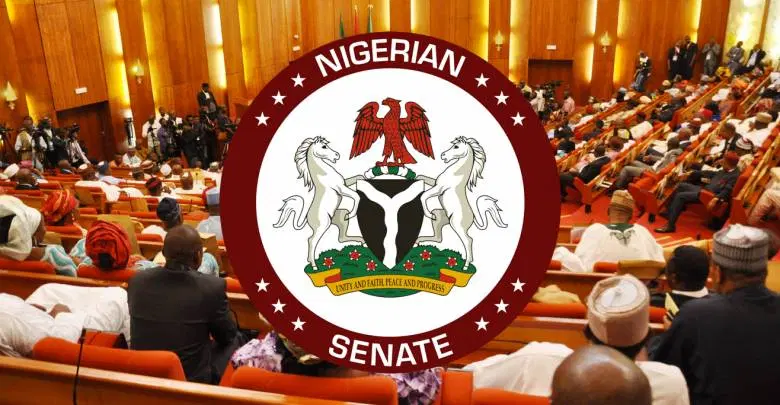
On Thursday, the House of Representatives postponed further consideration of the amended Electoral Act bill after discovering insufficient copies of the proposed amendments were available for lawmakers, forcing Speaker Tajudeen Abbas to defer debate and adjourn plenary for two weeks.
The delay has pushed the legislative process further down the calendar, reducing time for final passage and presidential assent.
Meanwhile, the Senate has appointed a seven-member ad hoc committee to harmonise and distil senators’ contributions to the bill ahead of final deliberations. The committee’s report was expected to be presented soon as part of efforts to keep the process moving.
The proposed Electoral Act amendments include broad reforms such as holding all elections on the same day, mandatory electronic transmission of results from polling units, early voting for security personnel and election officials, diaspora voting rights, and reduced timelines for concluding election petitions before swearing-in.
These changes are intended to strengthen electoral integrity and streamline the electoral calendar.
The delay in finalising the Electoral Act has fuelled fears that crucial reforms may not be in place in time for the 2027 polls. Opposition parties such as the African Democratic Congress (ADC) have accused the predominantly ruling party-led National Assembly of deliberate stalling that could undermine key safeguards designed to enhance transparency and credibility in the electoral process.
Civil society organisations have also warned that prolonged delays could compress the timeline for INEC to undertake logistics, procurement, voter education and other preparatory work.
Without clarity on the legal framework, planning and implementation risk being rushed or compromised, potentially exposing elections to inconsistencies and legal challenges.
With statutory deadlines looming and the amended Electoral Act still pending final passage, uncertainty now hangs over Nigeria’s 2027 general elections. Stakeholders say swift and transparent action by the National Assembly is essential to provide a clear legal foundation for the polls and to maintain public confidence in the democratic process.